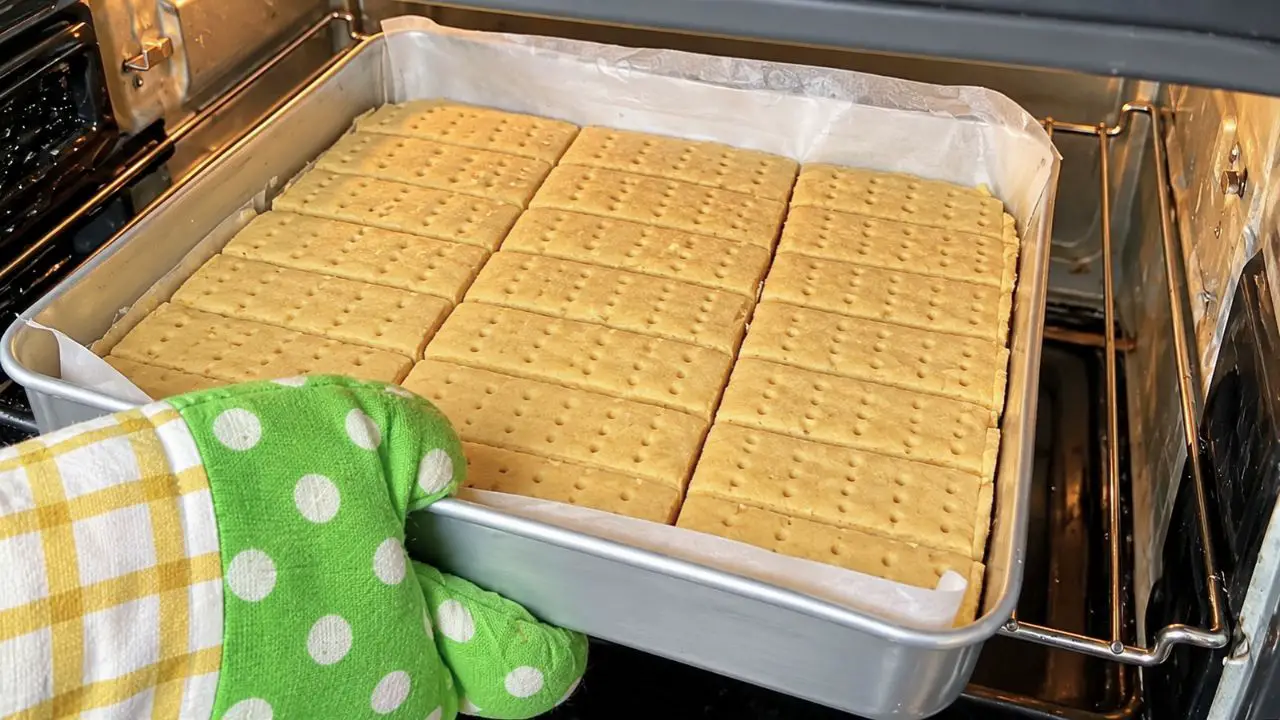
Let me show you how to make traditional Scottish shortbread that melts in your mouth, and that’s even better than Walker’s. It’s so buttery and crumbly, and you only need three ingredients.
Come join me on Facebook here for easy recipes, cozy bakes, and little kitchen tips from my kitchen to yours.
Want to see how these buttery shortbread fingers are made? Watch my Traditional Scottish Shortbread video below, give it a like, and subscribe to my YouTube channel for more easy baking recipes.
Why I love this traditional Scottish shortbread
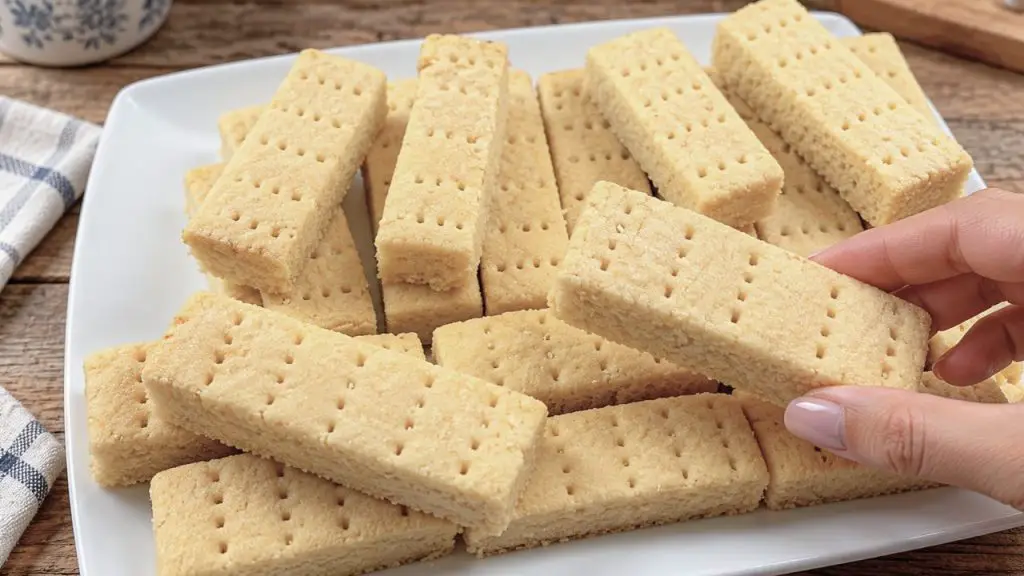
That classic shortbread texture. I love how these cookies are firm enough to hold their shape, but as soon as you take a bite, they break into that lovely, delicate, buttery crumble. They’re not hard or crunchy, and the rich butter flavor really comes through.
Making them is surprisingly simple. You don’t have to roll out individual cookies or spend ages shaping them. Just mix the dough, press it into a baking tray, and cut it into those familiar rectangular fingers. It’s a lovely way to make a whole batch of shortbread at once.
Ingredients
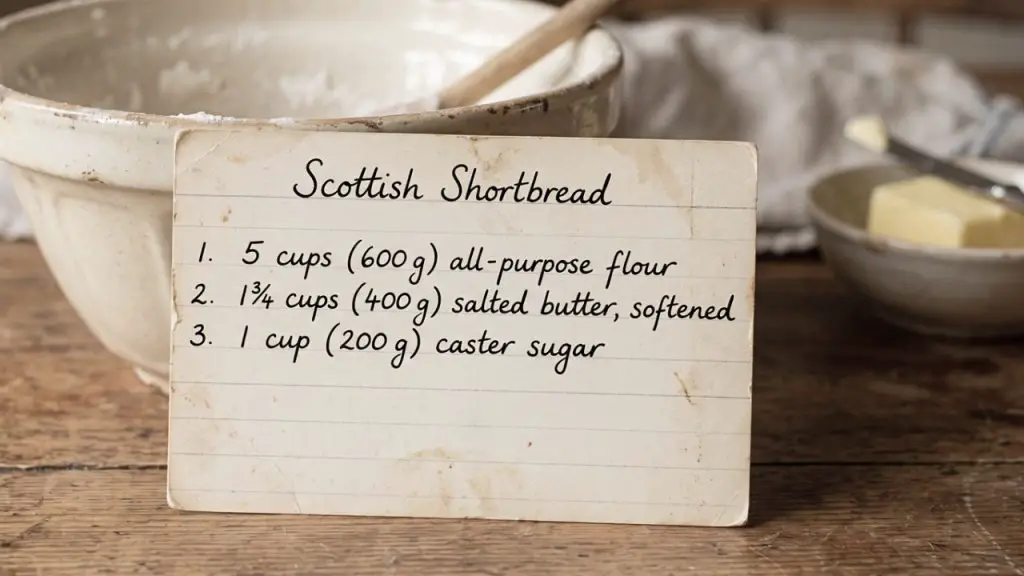
This traditional Scottish shortbread recipe uses just three ingredients:
- 5 cups (600 g) all-purpose flour
- 1¾ cups (400 g) salted butter, softened
- 1 cup (200 g) superfine sugar (caster sugar)
A little change I made: The original three-ingredient recipe calls for salted butter, but I only had unsalted butter. So I used the same amount of unsalted butter and added ¼ teaspoon of salt. It worked beautifully, and you can do the same if that’s the butter you have.
- Yield: about 21 shortbread fingers
- Baking tray: 12 × 10 inches (30 × 25 cm)
- Baking temperature: 320°F (160°C)
- Baking time: Approximately 45 minutes
How to make traditional Scottish shortbread
Step 1: Add the flour and butter
Add the flour to a large mixing bowl, followed by the softened butter. Make sure your butter is at room temperature so it’s easy to work into the flour. If you’re using unsalted butter as I did, add your pinch of salt here too.
Step 2: Add the sugar
Next, add the superfine sugar. This is also called caster sugar, and it’s a little finer than regular granulated sugar. You can use regular sugar if that’s what you have, although superfine sugar gives the shortbread a slightly finer texture.
Step 3: Mix the shortbread dough
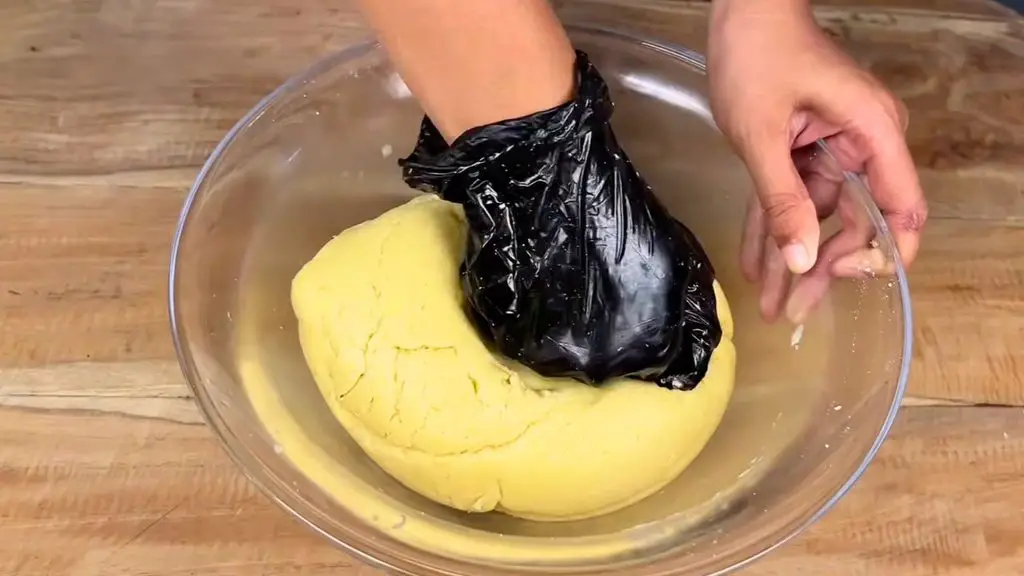
Start mixing with a spatula, breaking up the butter and working it into the flour and sugar. Cutting the butter into smaller cubes would make this part a little easier, but as long as it’s soft, you can keep mixing until the mixture starts forming little clumps.
At this point, switch to your hands and start pressing and squeezing the mixture together, picking up any loose flour as you go. The shortbread dough will gradually come together into one big, soft ball that holds its shape.
There’s no need to knead the dough like bread. Once all the flour is mixed in and the dough holds together, you’re done.
Step 4: Press the dough into the tray
Line a 12 × 10-inch (30 × 25 cm) baking tray with parchment paper, then put the dough in and spread it out with your hands.
Press it down and work it towards the edges until it covers the tray. You can use a rolling pin if you prefer, but the dough should be soft enough to spread by hand.
Aim for a thickness of about ⅝ inch (1.5 cm). To smooth out the top, use something with a flat bottom, such as a measuring cup. It doesn’t have to be perfectly smooth, but keeping the thickness fairly even will help the shortbread bake evenly.
Step 5: Cut the shortbread fingers
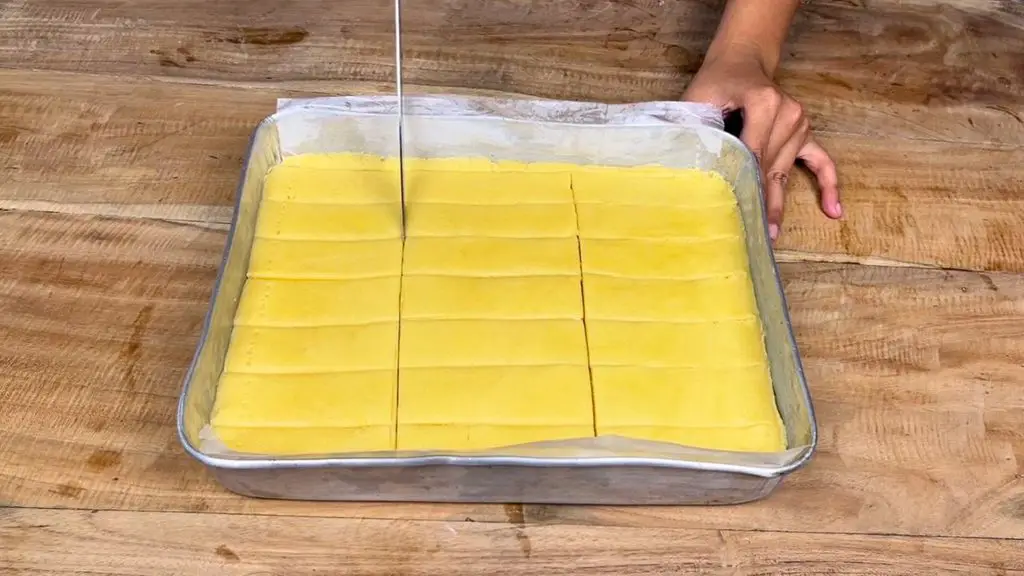
You can make your shortbread in pretty much any shape you like, but I love those classic Walkers-style fingers.
Take a knife and make long, straight cuts along the dough, using the first strip as a guide to keep the others roughly the same width.
Once you’ve finished the long strips, turn the baking tray around and cut across them to make individual shortbread fingers.
I made 21 fingers from this batch, but you might get a few more or fewer depending on how big you make yours.
If you have a larger baking tray, you can spread the dough a little thinner and make more fingers. Just remember that thinner shortbread may need less baking time.
Step 6: Make the fork holes
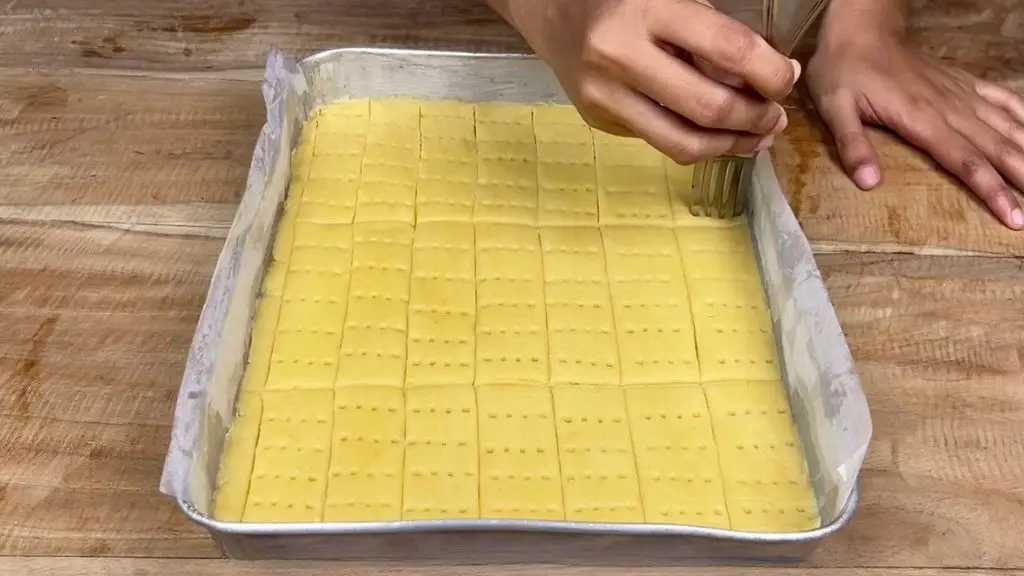
Take a fork and make a few holes along each shortbread finger. These little marks give the shortbread its traditional look, and they also help stop the dough from puffing up unevenly during baking.
Make a row of holes along each finger, or two rows if you’ve made them a little wider.
Step 7: Bake the shortbread
Bake in a preheated oven at 320°F (160°C) for approximately 45 minutes.
Shortbread needs a gentle bake to develop that buttery, crumbly texture without getting too brown. The top should still be fairly pale, with just a little golden color around the edges.
Ovens can vary, so check the shortbread towards the end of the baking time.
Step 8: Cut again and let cool
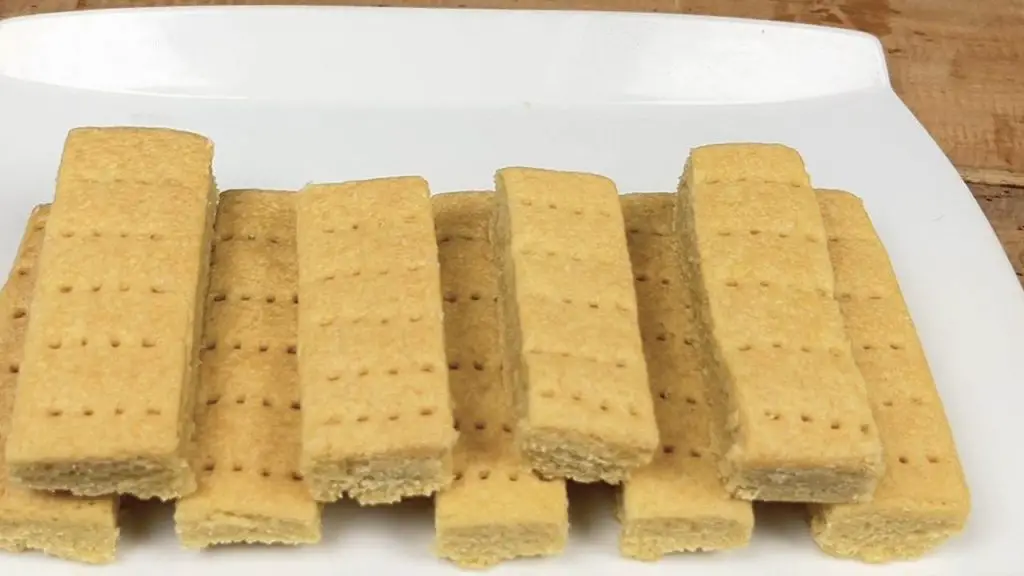
While the shortbread is still warm, run a knife along the cuts you made earlier. The fingers can stick together a little during baking, and going over those lines makes them much easier to separate.
Let the shortbread cool in the tray for about 10 to 15 minutes, then carefully transfer it to a cooling rack.
Don’t worry if the shortbread feels a little soft and delicate when it first comes out of the oven. As it cools, it firms up and becomes more crisp and crumbly.
And that’s it. Homemade Scottish shortbread with that lovely buttery smell and the classic texture that makes these cookies so good.
Related Recipe: If you love Scottish shortbread, you should also try my Nankhatai cookies next here. They’re an Indian-style shortbread with a richer, more fragrant flavor and an even more delicate, melt-in-your-mouth texture.

Traditional Scottish Shortbread Fingers
These buttery shortbread cookies are easy to make with just three simple ingredients. They have a delicate, crumbly texture and a rich buttery flavor.
40
servings20
minutes45
minutes280
kcal1
hour5
minutesIngredients:
5 cups (600 g) all-purpose flour
1¾ cups (400 g) salted butter, softened
1 cup (200 g) fine sugar (caster sugar)
Directions
- Preheat oven to 160°C (320°F).
- In a large mixing bowl, combine flour, butter, and caster sugar.
- Mix ingredients until they form a dough. Use hands if necessary for better consistency.
- Line a 30×25 cm (12×10 inch) baking tray with parchment paper.
- Spread dough evenly in the tray, pressing to a 1.5 cm (0.6 inch) thickness.
- Smooth the top with a flat-bottomed surface like a measuring cup.
- Cut the dough into classic shortbread fingers using a knife.
- Prick holes in the fingers using a fork for aesthetics and baking purposes.
- Bake in the preheated oven for 40-45 minutes, until firm but not browned.
- Re-cut along the lines while warm to separate the shortbread fingers.
- Cool before serving; shortbread will firm up as it cools.
Recipe Video
Notes
- If the Dough Gets Greasy: If the butter becomes too warm and the dough feels greasy, refrigerate it for 20 to 30 minutes before baking. This helps firm up the butter.
- Baking in a Fan Oven: If you’re using a fan-assisted oven, try 285°F (140°C) instead of 320°F (160°C). Check the shortbread towards the end, as baking times can vary.
- Bake on the Middle Rack: Place your baking tray in the center of the oven for more even baking. If your oven tends to brown one side more than the other, turn the tray halfway through baking.
- Shortbread Should Stay Pale: Unlike many other cookies, traditional Scottish shortbread shouldn’t turn golden brown all over. Look for a pale top with just a little golden color around the edges. Waiting for it to brown can leave you with dry, overbaked shortbread.
- If Your Shortbread Turns Hard: Shortbread should be tender and crumbly, not hard to bite through. If yours turns out hard, try mixing the dough less next time and check that it hasn’t baked too long.
Nutrition Facts
- Total number of serves: 40
- Calories: 280kcal
- Fat: 16g
- Carbohydrates: 31g
- Protein: 3g
How to store Scottish shortbread
Let the shortbread cool completely before putting it in an airtight container. It should keep well at room temperature for about a week.
Try to keep moisture out of the container, as shortbread can lose some of its crisp texture if it’s stored somewhere damp.
More cookies to try
If you love shortbread and cookies, you should also check out these other easy and yummy cookie recipes on my YouTube channel, which I have listed below.
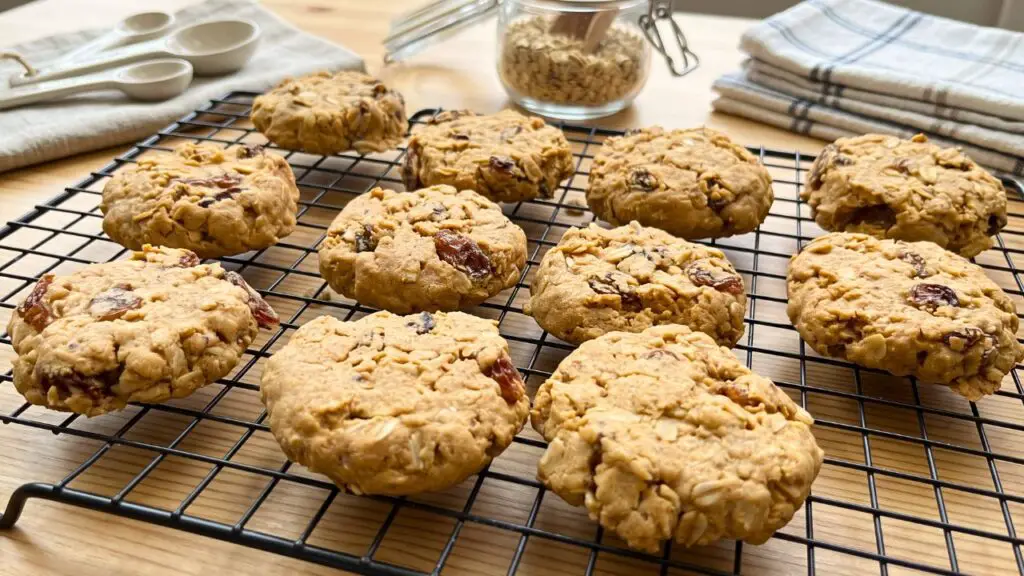
- Peanut Butter Oatmeal Cookies with Just 4 Simple Ingredients – You only need four ingredients to make these peanut butter oatmeal cookies! They’re a great choice when you’re craving something sweet but don’t want to spend ages baking.
- Olive Oil Oatmeal Chocolate Chip Cookies with Sea Salt – Ever tried using olive oil instead of butter in cookies? It works really well with oats and chocolate chips, while a sprinkle of sea salt brings out all those lovely flavors.
- Soft & Chewy Banana Oatmeal Breakfast Cookies – Got a ripe banana that needs using up? These soft, chewy oatmeal cookies are a delicious way to use it. They’re also handy for a quick breakfast or afternoon snack.
And if you give this traditional Scottish shortbread recipe a try, let me know how it turns out in the comments below or in the YouTube recipe comments. If you have any questions, leave those too, and I’ll do my best to help.