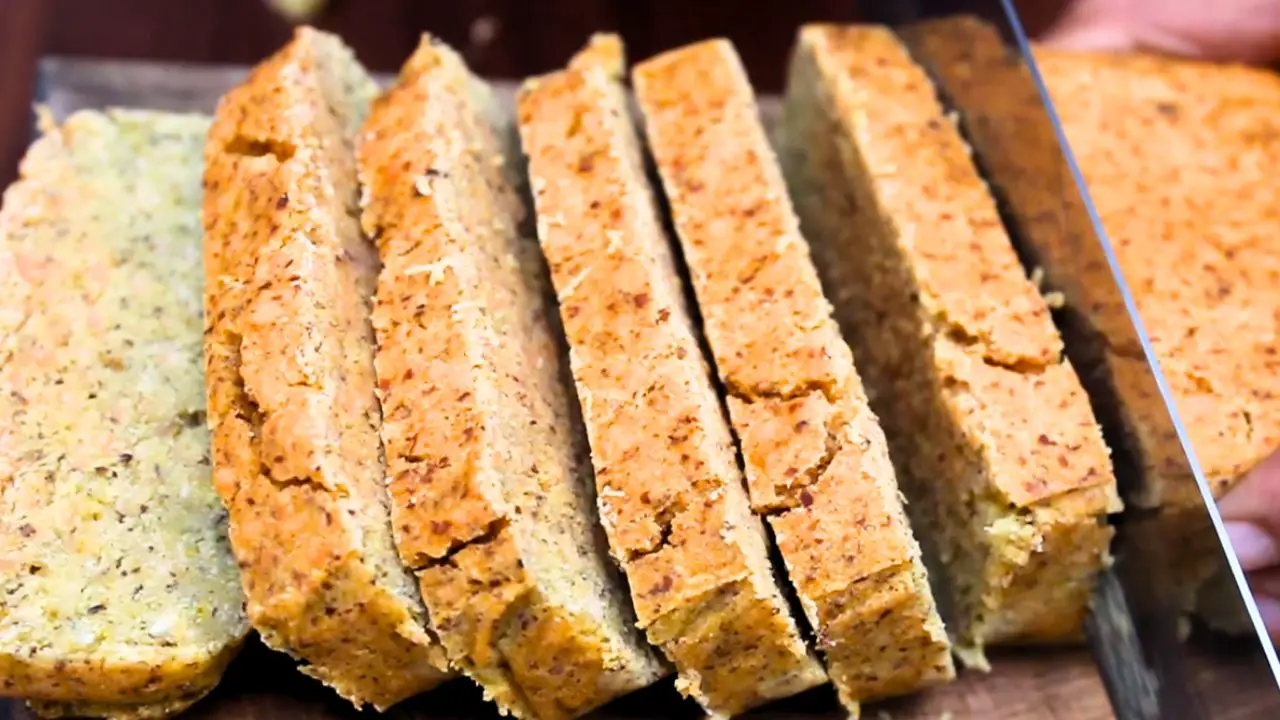
My friend Nadee just shared this awesome recipe with me for a healthy, gluten-free red lentil bread. It is high in fiber and protein, with a hearty texture and a mild, nutty flavor. I think you will love it!
Come join me on Facebook here for easy recipes, cozy bakes, and little kitchen tips from my kitchen to yours.
Check out the video below where Nadee shows how to make this easy, gluten-free, vegan red lentil bread. It is high in fiber and protein, perfect for a healthy diet.
Why Red Lentils Are Great for Baking Bread
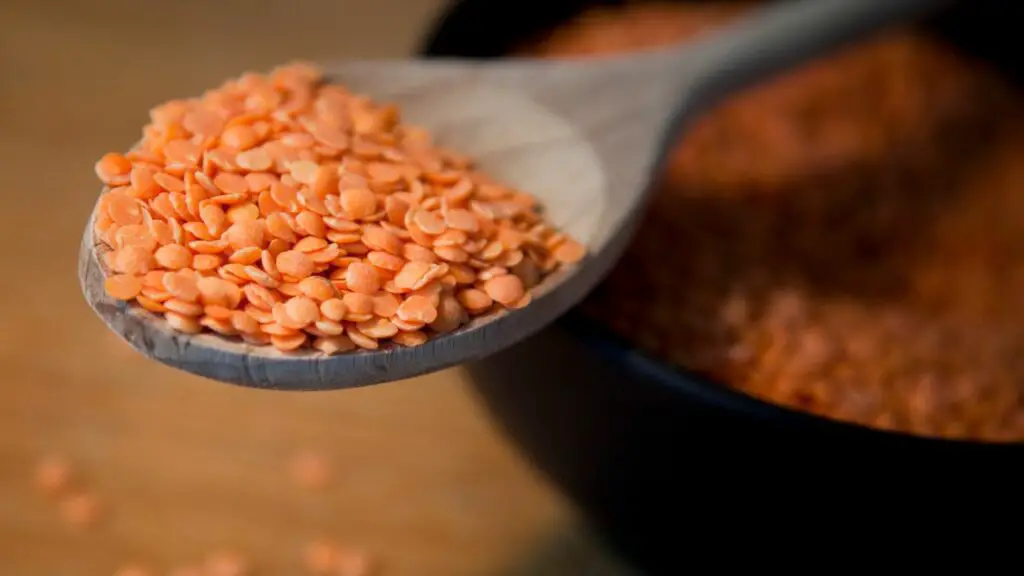
Red lentils are perfect for making bread because they are naturally gluten-free and packed with protein and fiber. They give the bread a hearty texture and a mild, nutty flavor that is really satisfying. Plus, they are super healthy, making your bread not only tasty but also good for you.
If you are looking for the best quality, check out these Organic Red Lentils on Amazon below that I love. They are perfect for making this delicious and healthy bread.

TAP ON IMAGE TO CHECK PRICE
Why Add Psyllium Husk?
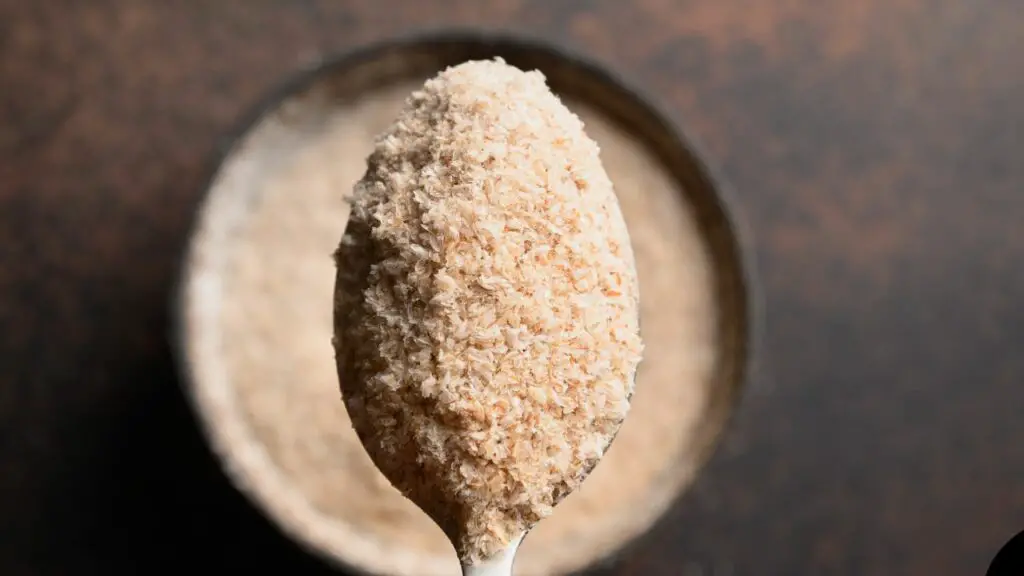
I love adding psyllium husk to this bread recipe! It boosts the fiber content, making the bread super healthy, and helps bind the ingredients together for a better texture. The bread becomes less crumbly and retains moisture well, so it does not dry out.
Plus, psyllium husk adds a subtle flavor that works perfectly with the nuttiness of the lentils.
If you are looking for a good psyllium husk, check out my favorite one on Amazon below, it is organic and finely milled so it is perfect for baking!

TAP ON IMAGE TO CHECK PRICE
Nutritional Breakdown of This Lentil Bread
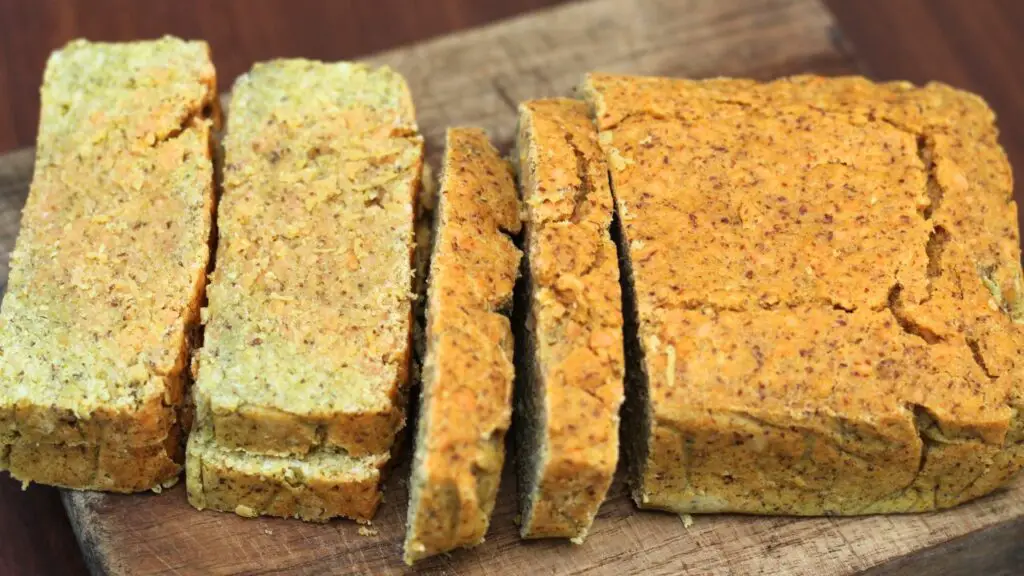
This red lentil bread is not only delicious but also a nutritional powerhouse! It is gluten-free, vegan, and packed with protein and fiber.
Each loaf makes about 10-12 slices. Per slice, you are getting roughly 127 calories, 6 grams of protein, 19 grams of carbs, 3 grams of healthy fat, and a whopping 9 grams of fiber.
This lentil bread is a perfect way to enjoy a healthy, hearty bread without any guilt. Slice it up and enjoy it with your favorite toppings like hummus or avocado!
Taste Pairing Suggestions
- Pearl Barley Soup: This red lentil bread pairs perfectly with a cozy bowl of Pearl Barley Soup. The hearty texture and mild, nutty flavor of the bread complement the rich, comforting soup beautifully.
- Vegan Margarine: Spread a slice with this homemade vegan margarine for a simple yet delicious snack. The creamy margarine enhances the bread’s natural flavors.
- Nut or Seed Butters: Try almond butter or tahini for a protein-packed option that adds a delightful, creamy texture.
- Avocado: Mash some avocado on top for a nutritious and satisfying meal that is entirely plant-based.
- Hummus: Spread with your favorite hummus for a flavorful, protein-rich treat.
Give these combinations a try, and you will love how well the flavors work together with this nutritious loaf!
Storage Tips: Keep Your Red Lentil Bread Fresh
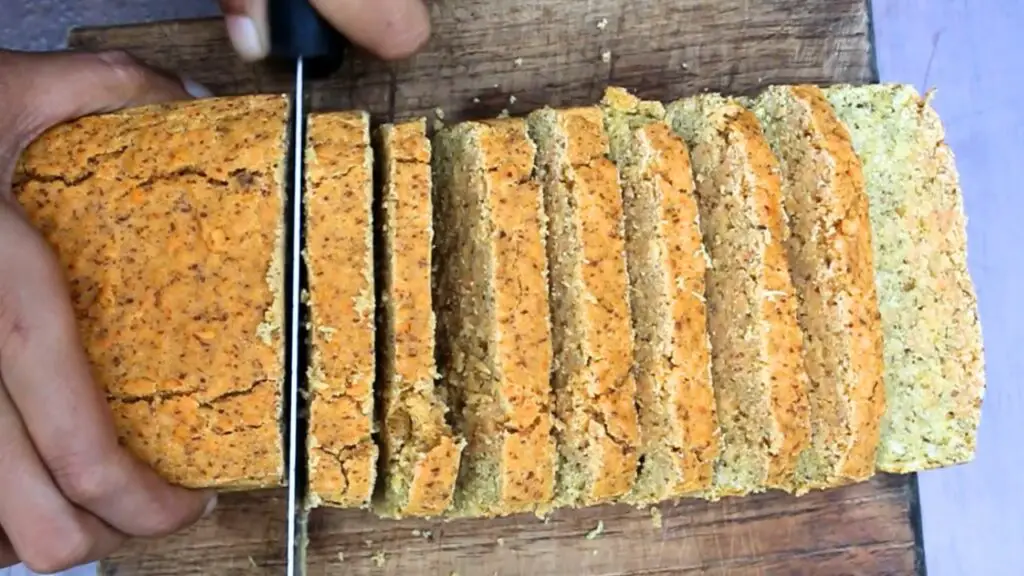
To keep your red lentil bread fresh, wrap it in a clean kitchen towel or store it in a bread box for 2-3 days at room temperature.
For longer storage, wrap it tightly in plastic or place it in an airtight container in the fridge for up to a week.
If you want to keep it even longer, slice and freeze it, separating the slices with parchment paper. Frozen bread lasts up to 3 months—just thaw or toast straight from the freezer when you are ready to enjoy!
Try Another Healthy Bread Recipe! Do not forget to check out my healthy 2-ingredient flaxseed bread recipe for another simple and nutritious option!
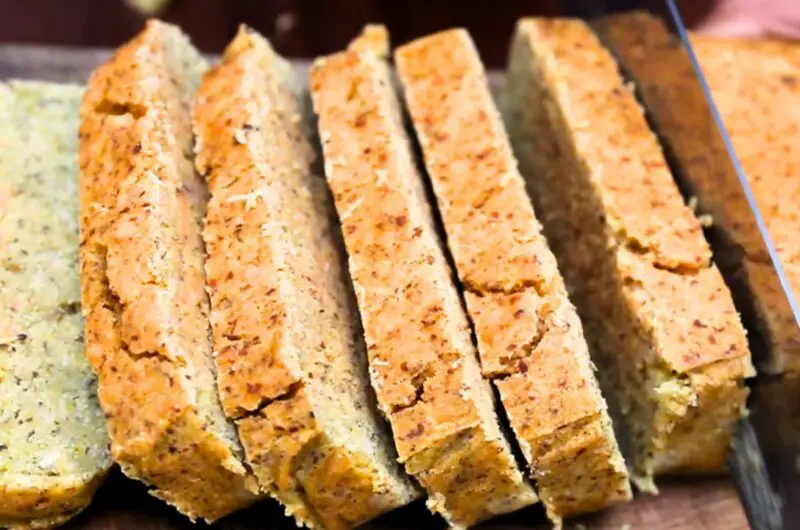
)
Red Lentil Bread Recipe (High-Protein & Gluten-Free)
Looking for a delicious and healthy bread option? Try this gluten-free, vegan red lentil bread! It is high in fiber and protein, with a hearty texture and a mild, nutty flavor. Perfect for those who want a nutritious alternative without sacrificing taste. Also, check out the video below to see how easy it is to make!
10
servings15
minutes50
minutes127
kcal1
hour5
minutesIngredients
1 1/4 cups (250 grams) dry red lentils
1/2 tsp sea salt
2 tbsp olive oil
2 tsp Baking powder
1/4 cup (30 grams) cornstarch
1/4 cup (20 grams) psyllium husk
1 tsp curry powder (optional)
3/4 cup cup (200 milliliters) water
Directions
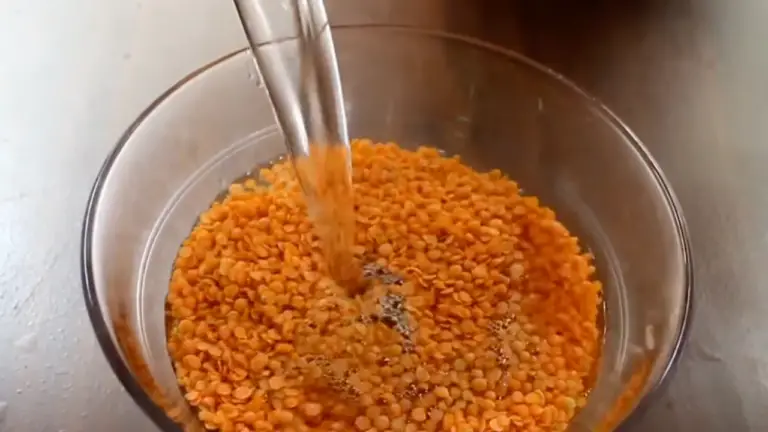
- Soak the Lentils: Measure out 1 1/4 cups (250 grams) of dry red lentils and place them in a bowl. Add enough water to cover the lentils completely. Let them soak for at least an hour or until they have softened.
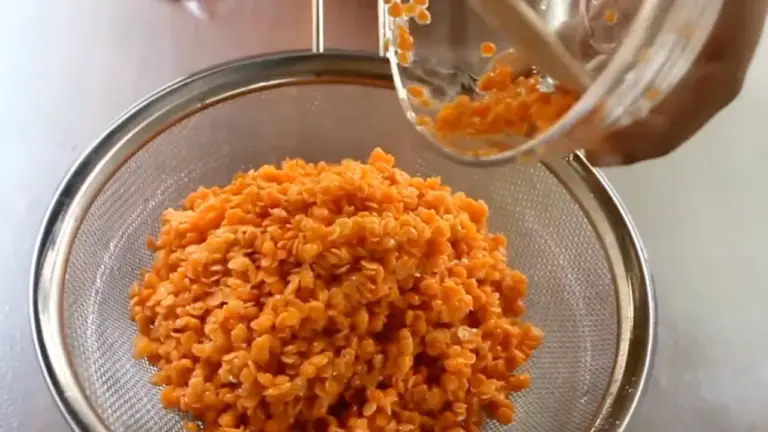
- Drain and Transfer: Once the lentils have soaked thoroughly, drain them well to remove any excess water. Transfer the drained lentils to a mixing bowl.
- Mix Ingredients: Pour 3/4 cup (200 milliliters) water into the bowl. Thoroughly mix all the ingredients together until well combined.
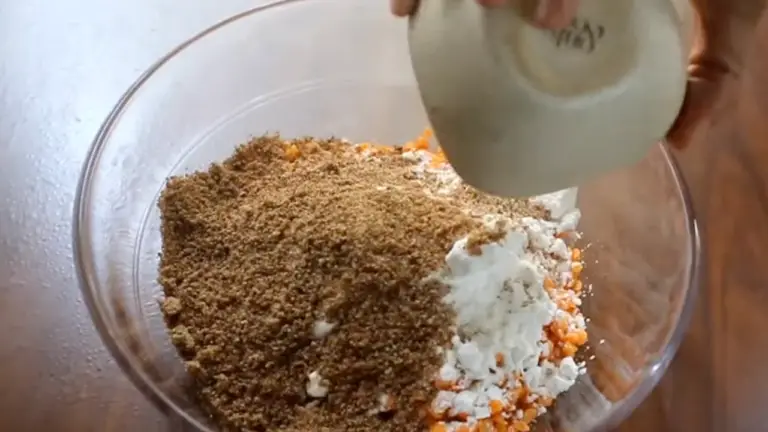
- Blend the Batter: Scoop the mixture into a blender or food processor. Blend for several minutes until you achieve a smooth and consistent batter.
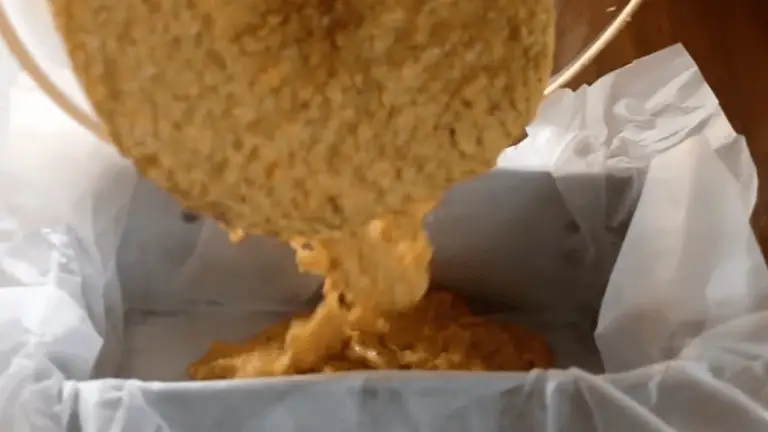
- Prepare the Loaf Pan: Pour the batter into a loaf pan that has been greased or lined with parchment paper. Ensure the parchment paper overhangs the sides for easier removal of the bread once baked.
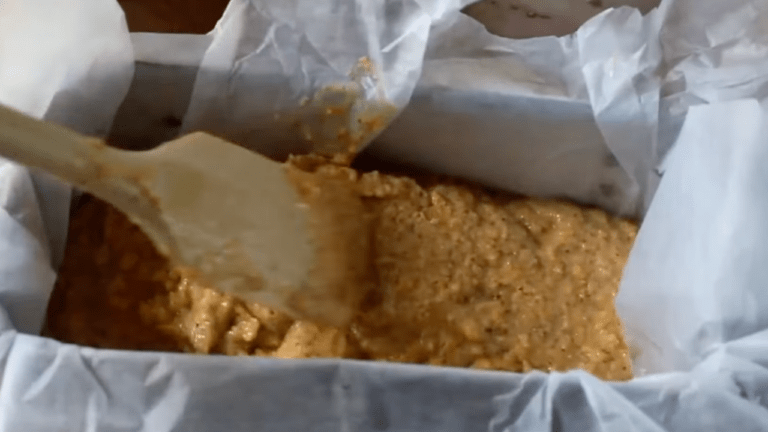
- Smooth the Batter: Use a spatula to smooth out the top of the batter, spreading it evenly across the pan to ensure even baking and proper rising.
- Bake the Bread: Preheat your oven to 350°F (180°C). Bake the lentil bread for 40 to 50 minutes. Test for doneness by inserting a toothpick into the center; if it comes out clean, the bread is ready.

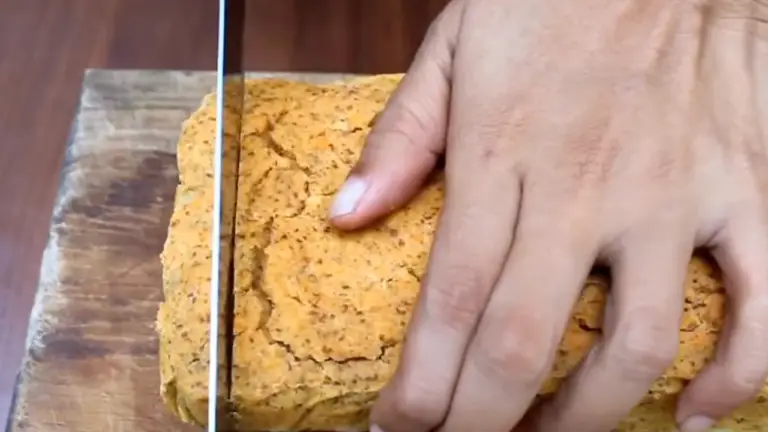
- Cool and Serve: Allow the lentil bread to cool slightly. Slice it with a sharp knife and serve with hummus, butter, or any of your favorite toppings.
Recipe Video
Notes
- Adjusting Flavor: For a different flavor profile, you can substitute the curry powder with other spices or herbs like cumin, paprika, garlic powder, or rosemary. Feel free to experiment with your favorite seasonings.
- Checking Consistency: If the batter seems too thick or too thin, adjust the water content slightly. The batter should be thick but pourable as you can see in the video, similar to a thick pancake batter.
- Storage Instructions: Store any leftover bread in an airtight container at room temperature for up to 3 days. For longer storage, refrigerate for up to a week or freeze slices in a zip-lock bag for up to 3 months. Thaw frozen slices at room temperature or toast them before serving.
- Gluten-Free Option: This recipe is naturally gluten-free as it uses cornstarch and psyllium husk. Ensure all ingredients, especially the baking powder and spices, are certified gluten-free if you have gluten sensitivity or celiac disease
- Serving Suggestions: This bread pairs well with both savory and sweet toppings. Try it with avocado and a sprinkle of salt for a savory snack, or with almond butter and honey for a sweet treat. It also makes a great base for open-faced sandwiches or toast.
Nutrition Facts
- Total number of serves: 10
- Calories: 127kcal
- Fat: 3g
- Carbohydrates: 19g
- Net Carbs: 10g
- Fiber: 9g
- Protein: 6g
Share Your Thoughts!
I would love to hear what you think about this red lentil bread recipe! Leave a comment or a question below, or head over to the YouTube comments (which I check more often). Let us know how it turned out for you or if you have any fun variations to share!
A heavy brick of pleasantly flavoured mashed lentils that maybe, IF you can get it to rise a bit, may fit in the category of a cake but certainly nowhere close to a “bread” even by gluten free standards.
Hey there! I totally get your “brick of lentils” frustration – that is definitely not how this bread should turn out! I had a good chuckle at your description, but I am also sorry it did not work out.
So here is the deal – this bread is definitely heartier than regular bread (it is lentils after all!), but it should not be a dense brick. Let me share some tips from my own kitchen fails with this recipe:
First time I made this, my baking powder was ancient and did nothing! Make sure yours is fresh. And really blend those lentils until they are super smooth – chunky lentil batter = heavy bread.
The psyllium husk is actually super important here – it gives structure so the bread can rise instead of just spreading out. Did you use the full amount?
One trick I have found: let the batter sit for about 10 minutes before baking. This gives the baking powder time to start working its magic.
If you feel brave enough to try again, maybe add an extra 1/2 teaspoon of baking powder and see if that helps?
I would love to know if any of these suggestions work for you! And thanks for the honest feedback – it helps me make the recipe better for everyone.
Just made the bread and eating a slice with butter on it. I will be making it again and again I actually made two loaves. I’m glad I did because I had lentils that were going to expire. I looked at the comments & added water to get to the right consistency and blended until it was very smooth. So good & trying not to eat a second slice!
That’s awesome! Nothing beats fresh bread with butter – totally get why you’re fighting the urge for that second slice! Smart move making two loaves and using up those lentils before they expired. The extra water and smooth blending definitely paid off. Enjoy that bread – and honestly, go ahead and have that second slice… life’s too short! ?
Can I use flax seed instead of cornstarch? Not sure why the cornstarch. Thanks Karen
Karen, totally fair question.
Cornstarch is in there because it helps gluten free loaves set up and slice nicer. It makes the crumb a bit lighter and less crumbly because starch kind of “fills in the gaps” when there’s no gluten.
You can use flax instead, but it changes the result. Flax is more of a gel binder and it can make the bread a little heavier and more “wholefood” in texture.
If you want to try it, I’d do ground flax. Mix 1 tablespoon ground flax with 3 tablespoons water, let it sit a few minutes, then add it in. That amount replaces about one egg in baking, so for a full quarter cup of cornstarch you may need a couple of these, but I’d start small because flax can dry things out and make it dense.
If you’re avoiding cornstarch for a sensitivity and just want the closest swap, tapioca or arrowroot usually behaves more like cornstarch than flax does.
I forgot the olive oil and it still turned out lovely! I made two mini loaves instead of one but loaf and cut the cooking time down to 25 minutes. I also topped mine with rolled oats, chia seeds, and millet. When I cut into both loaves it looks like the red lentil mostly rose to the top and the more grey-brown psyllium sank to the bottom, anyone else have that happen?
Thanks for sharing your tweaks. Skipping the olive oil usually isn’t a dealbreaker here, it mostly affects moisture and how tender the crumb feels. And two mini loaves will bake a lot faster than one full loaf, so a shorter bake time makes sense.
On the layering you noticed, that can happen with psyllium. If it hasn’t fully hydrated or the batter sits a bit before baking, it can thicken and settle more toward the bottom while the lentil portion stays lighter, so it looks separated when you slice it. Next time, try letting the batter sit 5 to 10 minutes, then stirring again right before pouring, and if the batter seemed thin, use a little less water. It’s still fine to eat, it’s mainly a texture and mixing issue.